Water Softener Installation & Repair in Rowlett
North Texas water is moderately hard, and a water softener is one of the more noticeable upgrades a Rowlett homeowner can make, less scale on fixtures, softer laundry, and real protection for a water heater and other appliances. Rowlett Pro Plumbing installs and repairs salt-based softener systems across Rowlett.
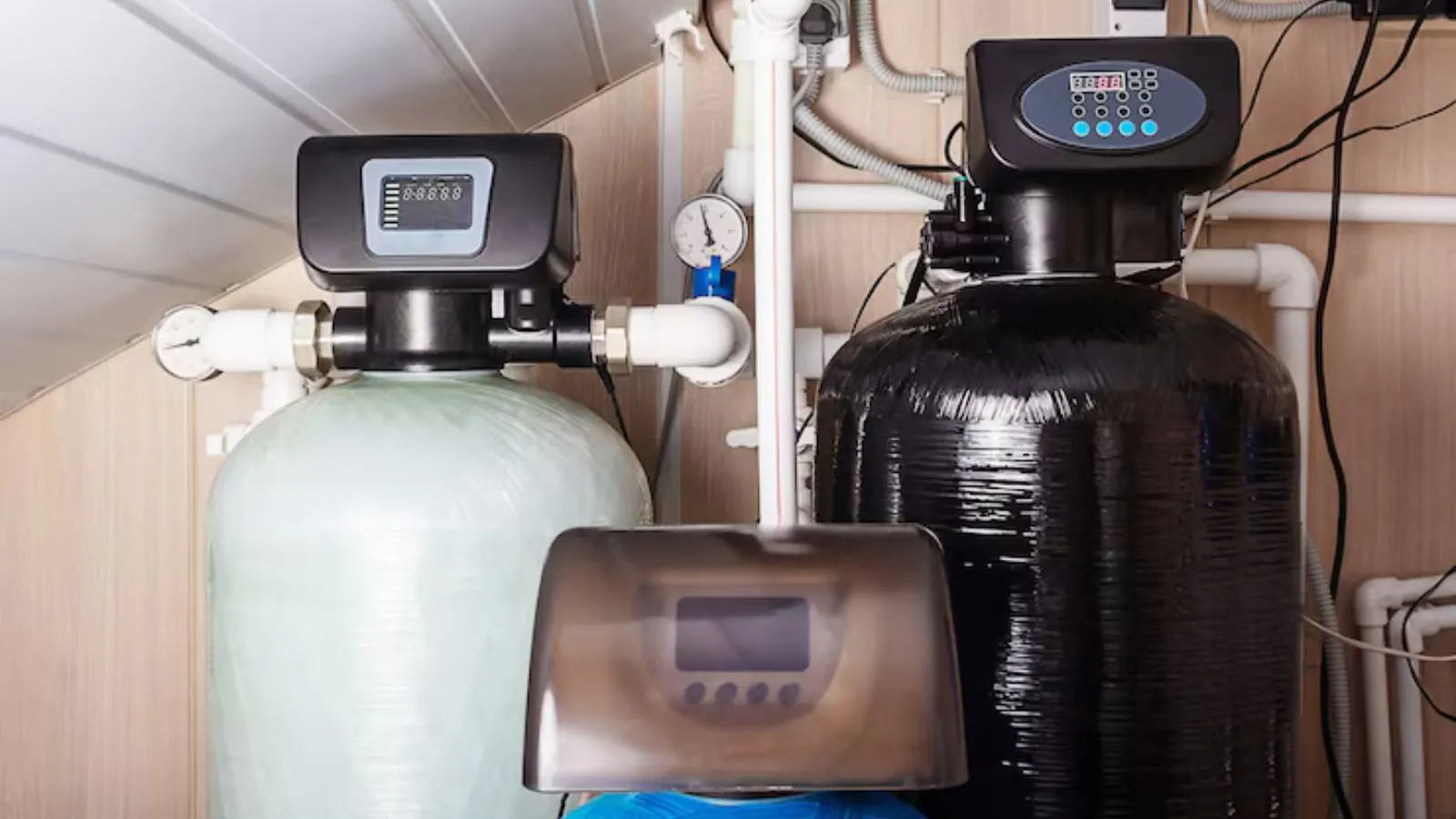
Signs Your Softener Needs Attention
- ✓Water spots or scale buildup returning even though the softener is running.
- ✓Salt bridge forming in the brine tank, a hard crust that keeps salt from dissolving properly.
- ✓Softer water on one side of the house but not the other, a sign of a bypass valve issue.
- ✓The unit cycling far more often than usual, which wastes salt and water.
Scale coming back even with a softener running? We can tell you why.
☎ Call (972) 903-8224What A Softener Cannot Fix
A water softener addresses hardness minerals specifically and will not resolve a chlorine taste, sediment, or bacterial concern, those are filtration problems covered on a separate page. Households wanting both a softer feel and better-tasting water typically run a softener and a filtration system together, since each solves a genuinely different part of the water quality picture.
Where A Softener Fits In The House
A whole-home softener installs at the point where the main water line enters the house, before it branches to individual fixtures, so every tap in the home benefits from treated water. Outdoor spigots are typically bypassed intentionally, since there is no real benefit to softening water used for irrigation or a hose, and running softened water outdoors just wastes salt for no practical gain.
Salt-Based Versus Salt-Free Systems
A traditional salt-based softener physically removes hardness minerals through ion exchange, which is the only method that actually eliminates scale buildup rather than just altering how it forms. Salt-free conditioners change the mineral structure so it is less likely to stick to surfaces, but they do not remove hardness the way a true softener does, which matters if scale on fixtures and inside a water heater is the main concern rather than just the slick feel of soft water.
Sizing A Softener Correctly
| Household | Typical Grain Capacity |
|---|---|
| 1-2 people | 24,000 to 32,000 grains |
| 3-4 people | 32,000 to 40,000 grains |
| 5+ people or high water usage | 48,000+ grains |
Undersizing Is A Real, Common Mistake
A softener sized for a smaller household than actually lives in the home cycles far more often than it should, which wastes salt and water and shortens the resin bed's effective life. Getting the grain capacity right at installation, based on actual household size and water usage rather than a generic recommendation, is what keeps a system running efficiently for years instead of needing early attention.
What A Softener Actually Protects
Hard water minerals build up inside a water heater's tank faster than soft water does, which is one of the reasons tank water heaters in this area tend to sit at the shorter end of their expected lifespan without a softener in place. The same scale buildup affects faucets, showerheads, and appliances like dishwashers and washing machines over time, showing up as reduced flow and a shorter appliance life.
Typical Cost
Codes This Work Follows
Softener installation follows the Uniform Plumbing Code (UPC) and International Plumbing Code (IPC) the Texas State Board of Plumbing Examiners adopts statewide, including correct bypass valve and drain line requirements.
Common Questions
Visible white scale on faucets and showerheads, spots on dishes and glassware straight from the dishwasher, and soap that does not lather well are the most common practical signs. A simple water hardness test during a visit confirms it precisely rather than guessing from symptoms alone.
It depends on household water usage and the unit's capacity, but checking the brine tank monthly and refilling when it drops below a third full is a reasonable habit for most households.
No, if the system is working correctly. The ion exchange process swaps hardness minerals for a very small amount of sodium, well below a level most people can taste. A genuinely salty taste usually points to a malfunctioning unit rather than normal operation.
Ready to stop fighting hard water scale? Call for an install quote.
☎ Call (972) 903-8224Dealing With Hard Water?
Softener installation and repair anywhere in Rowlett.
☎ Call (972) 903-8224